
DIRECT FROM THE MANUFACTURER. NO MIDDLEMAN MARKUPS. NO FREIGHT SURPRISES.
Construction Barricades
Since 1993, OTW Safety’s best-selling jersey-style barricades have been trusted on construction sites nationwide for their strength, durability, and reliability. Designed for projects of any size, they deliver dependable performance in demanding environments.
- ✓
Same-business-day quote.
- ✓
60-Day Price Lock.
- ✓
99% on-time fulfillment.
- ✓
Made in the USA
DOWNLOAD PRODUCT SPECS


Trusted by leading companies






How It Works
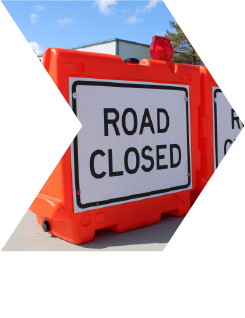
Choose Your Barricade Mix
Select the type and quantity of barricades you need for your construction project. If you’re not sure, our team will help you decide.

Request a Quote
Connect with our team to discuss your project details and receive a custom barricade quote.
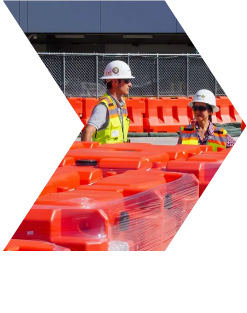
Prepare for Delivery
Once your order is confirmed, we’ll schedule shipment and share delivery instructions so your team is ready.
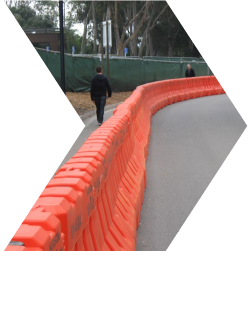
Receive & Set Up Your Barricades
Your shipment arrives on schedule, and your team can quickly unload and deploy barricades on site.
Join the Teams That Love OTW Safety

“OTW delivered exactly what we needed, when we needed it — quick turnaround, high-quality products, and zero friction.”
—UNION ARTISAN
“The employees at OTW Safety are kind, knowledgeable, and intelligent. They are great to work with and make some of the best barricades and barriers.”
—JONATHAN RODRIGUEZ
“Quick, easy and painless. Needed water fillable barriers and these guys were the best to work with, great prices and great customer service.”
—BARON BRUCE
“They have been consistently reliable, with competitive pricing, on-time delivery, and clear shipping updates. They have exceptional customer service, communicating proactively and ensuring a smooth, stress-free purchasing experience everytime.”
—JAMES VONDRAS
“The team is incredibly responsive and easy to work with — they make the entire process seamless from order to execution.”
—AMBER CALLAN, EVENT COORDINATOR
“We’ve partnered with OTW for multiple years — their flexibility, reliability, and communication make them a go-to partner.”
—UAF DEVELOPMENT TEAM

Meet Your OTW Safety Expert
- Connect with a dedicated OTW specialist who understands your project needs — from traffic control to large-scale construction deployments. We’ll help you choose the right barricade solutions, streamline your order, and ensure everything arrives on time and ready for the jobsite.
The numbers speak for themselves
Watch for a sneak peek of the event
Watch our teaser video for a glimpse into the inspiring keynotes, interactive workshops, and networking opportunities that await
Frequently asked questions
Why plastic barricades?
We identified a need for a unique type of barricade in safety spaces and sought to address that need. We aimed to develop products that were durable, reliable, portable, easily recyclable, and, above all, safe. We sought a more environmentally friendly alternative to the most common barricade materials. We found that high-density polyethylene (HDPE), medium-density polyethylene (MDPE), and linear low-density polyethylene (LLDPE) fit the bill. Using plastic as our material of choice ensures that we can provide premium safety products at affordable prices – barricades that increase the safety of any site they reside at.
Read more about the history of plastic barricades here.
How are plastic barricades sustainable?
Plastic barricades are designed to last a long time, reducing waste. They’re made from durable plastics like HDPE, MDPE, and LLDPE, which can be recycled many times. When they reach the end of their life, they can be turned into new products. Using recyclable plastic also helps reduce the need for new raw materials, making it a more eco-friendly choice than single-use or less durable barriers.
Read about the different types of polyethylene plastics and their sustainability here.
What is the typical lifespan of a plastic barricade?
Each one of our barricades is designed to last a minimum of eight years with proper care. Our plastic barricades are designed to withstand the test of time, even in harsh weather conditions.
The biggest factor that affects a plastic barricade’s lifespan is sunlight. Over time, ultraviolet (UV) rays from the sun can fade colors and weaken the plastic. To help slow this process, we add UV stabilizers during manufacturing. These help protect the material and keep the barricades stronger for longer!
We also recommend proper care and storage. When not in use, store them out of direct sunlight. If you use water for ballast, be sure to empty and dry them before storing. And if you lose a fill cap or drain plug, don’t worry – we have replacements available.
Are OTW plastic barricades recyclable?
Yes, absolutely! Find our recycling guide here.
Can OTW barricades be ballasted?
Yes, OTW barricades are manufactured to be ballast-capable! We recommend water ballasting as per the instructions for your specific barricade choice, but sand is also an option. (Don’t forget to empty your barricades before placing them in long-term storage to help keep them in good shape!)
Can OTW barricades be used indoors and outdoors?
We love to see our barricades in action both indoors and out! They are made of sturdy, durable high-density polyethylene (HDPE), medium-density polyethylene (MDPE), and linear low-density polyethylene (LLDPE) that is gentle on most indoor floors but will withstand extreme weather of all kinds when used outside.
Are bulk discounts or wholesale pricing available?
Yes, we can provide both discounts and wholesale pricing when you work directly with an OTW expert.
How do I ballast an OTW Safety construction or traffic barricade?
For best practice, we recommend filling your barricades in place. Set the barricades in their final location, measure out the appropriate amount of ballast (in most cases, water), and fill from the top fill cap (ensuring that the drain cap is closed).
What materials can I use to ballast an OTW Safety construction or traffic barricade?
Water is the most common ballast for our barricades. It’s easy to fill and drain, making it great for temporary or seasonal use.
For more permanent uses, you can also use sand or pea gravel. These materials are heavier than water and provide extra stability.
- Water weighs about 62 pounds per cubic foot.
- Sand or pea gravel weighs around 95 – 100 pounds per cubic foot.
Keep in mind, however, that sand and gravel are much harder to remove from the barricade once filled.
Can OTW traffic and construction barricades be moved once filled with water?
In short, no, we do not recommend moving OTW traffic or construction barricades after they are filled with water or sand. Doing so can damage the barricade and will void the warranty.
When filled, these barricades weigh hundreds of pounds. Lifting them while full puts too much stress on certain parts of the plastic. Even if you can’t see it right away, this stress can weaken the internal supports and can lead to bulging, leaks, or cracks, even after just one move.
For best results, always place the barricade in its final location before filling. This helps keep it strong, safe, and long-lasting.
Find our ballast guide here.
Are OTW traffic barricades crash-tested?
Yes! Our OTW42 LCD Barricade has been crash-tested and approved by the Federal Highway Administration (FHWA) for use as a longitudinal channelizing barricade.
In 2007, it passed the National Cooperative Highway Research Program (NCHRP) Report 350 test level 3-71 criteria, which evaluates how work zone traffic control devices perform when hit by a passenger car at 100 km/h. The FHWA issued acceptance memo WZ-255 confirming its approval for use on the National Highway System.
It’s essential to understand that these barricades are designed as channelizers to guide vehicles safely through work zones, rather than as barriers that contain or redirect crashes, such as a guardrail or concrete barrier. This distinction is very important, so if you’re not sure, give us a call and we’ll gladly review your project requirements with you and help you source exactly what you need.
What types of plastic barricades are used in construction and traffic zones?
Generally speaking, you will often find several different types of plastic barricades at construction sites and in traffic zones. Longitudinal channelizing devices (LCDs) are common for channelizing lanes and directing traffic, as are drums or barrels and vertical delineators. LCD or Jersey barricades are also used as hazard indicators or perimeter security at many sites.
For those who use OTW barricades, the Billboard Barricade is also an excellent choice for temporary perimeters for a quick job or as a hazard indicator (don’t forget to include signage!).
Safety Manufactured with Your Purpose in Mind
.svg "svg-image-3 (4)")